
Why software engineers in India are having heart attacks earlier — an evidence-based, human take
Over the last few years, I’ve had a growing number of young software engineers sitting across from me — some recovering from heart attacks, others terrified because a colleague collapsed at work. Many of them are in their early 30s. A few aren’t even 30 yet. They ask the same question: “Doctor, I don’t smoke, I don’t drink much, my reports were normal… then how did this happen?” The answer is uncomfortable, but clear: chronic stress is slowly killing young hearts, and the software industry in India has become one of the most stressful psychological environments of our time.
HEALTH
Krishna
12/23/20254 min read

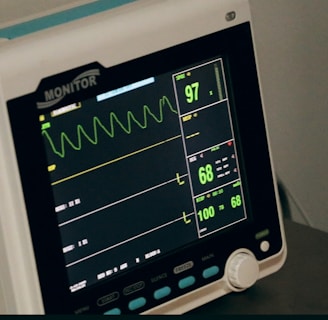
A worrying fact to start with
In India a large share of heart attacks now occurs at younger ages: roughly a quarter of heart attacks affect people under 40, and Indians show a higher proportion of early coronary disease than many other populations. Indian Heart Association
How psychological stress becomes a heart problem (the short version)
When your brain reads something as a threat — a critical production bug, a surprise on-call page at 3 a.m., or a performance review that feels like “you’re replaceable” — it launches an ancient survival program. Adrenaline and cortisol flood your system. For a few minutes this helps you focus. If that response becomes the normal background state day after day, it causes:
sustained high blood pressure,
pro-inflammatory changes in blood vessels,
worse blood sugar and lipid metabolism, and
disturbances in sleep and heart rhythm.
Over months and years these biological changes raise the chance of coronary disease and acute cardiac events. That link between chronic psychosocial stress and coronary heart disease has been demonstrated repeatedly in epidemiological studies and meta-analyses.
Why software engineering in India is a high-risk context for this pathway
Several industry and cultural features combine to raise chronic stress for engineers:
1. Constant cognitive overload. Engineering work demands long stretches of intense concentration and frequent interruptions (alerts, CI failures, bug triage). Those interruptions keep the stress system from ever fully resetting.
2. Blurred boundaries and long windows. Working with global teams means late nights and early calls; remote work often merges office and home so “off” time is rare. Less restorative time equals more physiological wear.
3. Perfectionism and high accountability. Tech work rewards precision; perfectionistic standards and fear of failure drive people to skip breaks and sleep. Over time that increases cardiovascular strain.
4. Emotional suppression and stigma. Many engineers feel they must be “tough” or that admitting burnout will harm their career. Suppressing worry and anger amplifies the body’s stress response.
5. Co-existing lifestyle risks. Sedentary days, irregular meals, high caffeine, poor sleep and occasional binge drinking compound the effect of stress.
These occupational patterns are not guesswork — studies of IT professionals report elevated work stress, links between effort-reward imbalance and burnout, and poor sleep among software workers, all of which co-occur with cardiovascular risk markers.
Burnout isn’t just “feeling tired” — it raises physical risk
Burnout is defined as a syndrome caused by chronic workplace stress that hasn’t been successfully managed. It shows up as exhaustion, cynicism, and reduced effectiveness. Beyond the emotional cost, systematic reviews find burnout and related chronic job stress are associated with higher rates of heart disease and metabolic risk factors. This is why the conversation about “mental health” isn’t only about mood — it’s about preventing physical illness. PMC+1
What the evidence says (briefly)
Large meta-analyses and long-term cohort studies show workers with chronic job stress have an elevated risk of coronary heart disease compared with lower-stress peers. PubMed
Mechanistic studies link stress to arterial inflammation, autonomic imbalance, and metabolic changes that plausibly explain those increased risks.
Occupational studies in IT show high prevalence of effort-reward imbalance, sleep problems, and burnout — all relevant upstream drivers.
Practical, evidence-based steps for engineers (what you can do this week)
You don’t have to wait for a crisis. Small, consistent changes reduce physiological stress and lower long-term heart risk.
Prioritize sleep like a production dependency. Aim for 7–8 hours and a consistent sleep window. If you must do late work, protect the following night’s sleep with a wind-down routine (dim lights, no screens 30–60 minutes before bed).
Interrupt the “always-on” state. Use a simple rule: no notifications outside core hours, or a “do not disturb” policy for non-critical alerts. If you’re on call, rotate responsibly and ensure restful recovery days.
Micro-breaks are real medicine. Every 60–90 minutes, step away for 5–10 minutes: walk, stretch, breathe. Those interruptions reduce cognitive fatigue and blunt stress physiology.
Build weekly aerobic activity. 20–40 minutes of brisk walking, cycling, or running 3–5 times a week improves heart health and reduces anxiety. Exercise is one of the strongest buffers against stress.
Practice quick stress tools. Learn a 2-minute breathing practice (inhale 4, hold 2, exhale 6) or a one-minute body scan to down-shift the nervous system between tasks.
Name and share stress. Talk to a trusted peer, mentor, or therapist. Saying “I’m burned out” removes the emotional load and opens room for practical change. Therapy and structured stress management reduce physiological markers of stress.
Get baseline medical checks. Know your blood pressure, fasting glucose, lipids and BMI. Early detection of metabolic risk lets you intervene before things worsen.
Negotiate workload and expectations. If deadlines are chronically unrealistic, have a data-driven conversation with your manager (show the work backlog, explain the risk to quality and people). Sustainable cadence improves both product and health.
What employers and teams should do (a short manifesto)
Companies can — and should — act. Practical changes that protect hearts include:
enforceable “offline” hours and reasonable on-call expectations;
real staffing buffers so people aren’t constantly firefighting;
accessible mental health support (counseling, EAP), and normalization of using it;
mandatory breaks and vacation encouragement;
training for managers to spot burnout early and act supportively.
These aren’t perks — they’re preventive health measures that reduce sick leave, improve retention, and protect lives.
A final note
If you’re an engineer reading this and thinking “I can’t stop; the sprint will fail if I slow down” — I hear you. Technology moves fast, and responsibility is heavy. But treating chronic stress as inevitable is how preventable heart disease shows up in your 30s. The science is clear: psychological stress isn’t just unpleasant — over time it changes the body. The good news is that practical steps work. Sleep, movement, boundaries, honest conversations, and timely medical checks aren’t optional luxuries; they’re simple, evidence-based investments in your long-term capacity to do the work you love.
Contact
Reach out for insights or collaborations.
info@neuroresearch.in