
How Louis Vuitton Uses Ego, Scarcity, and Social Psychology to Sell at “Deadly High Prices
Louis Vuitton (LV) is one of the few brands in the world where: The price creates the demand The product is valued because it is expensive People pay a premium for identity, ego, and exclusivity, not functionality From a strict economic perspective, LV products have no rational justification for costing 10×–50× more than equally functional alternatives.
EGO
Krishna
9/15/20233 min read
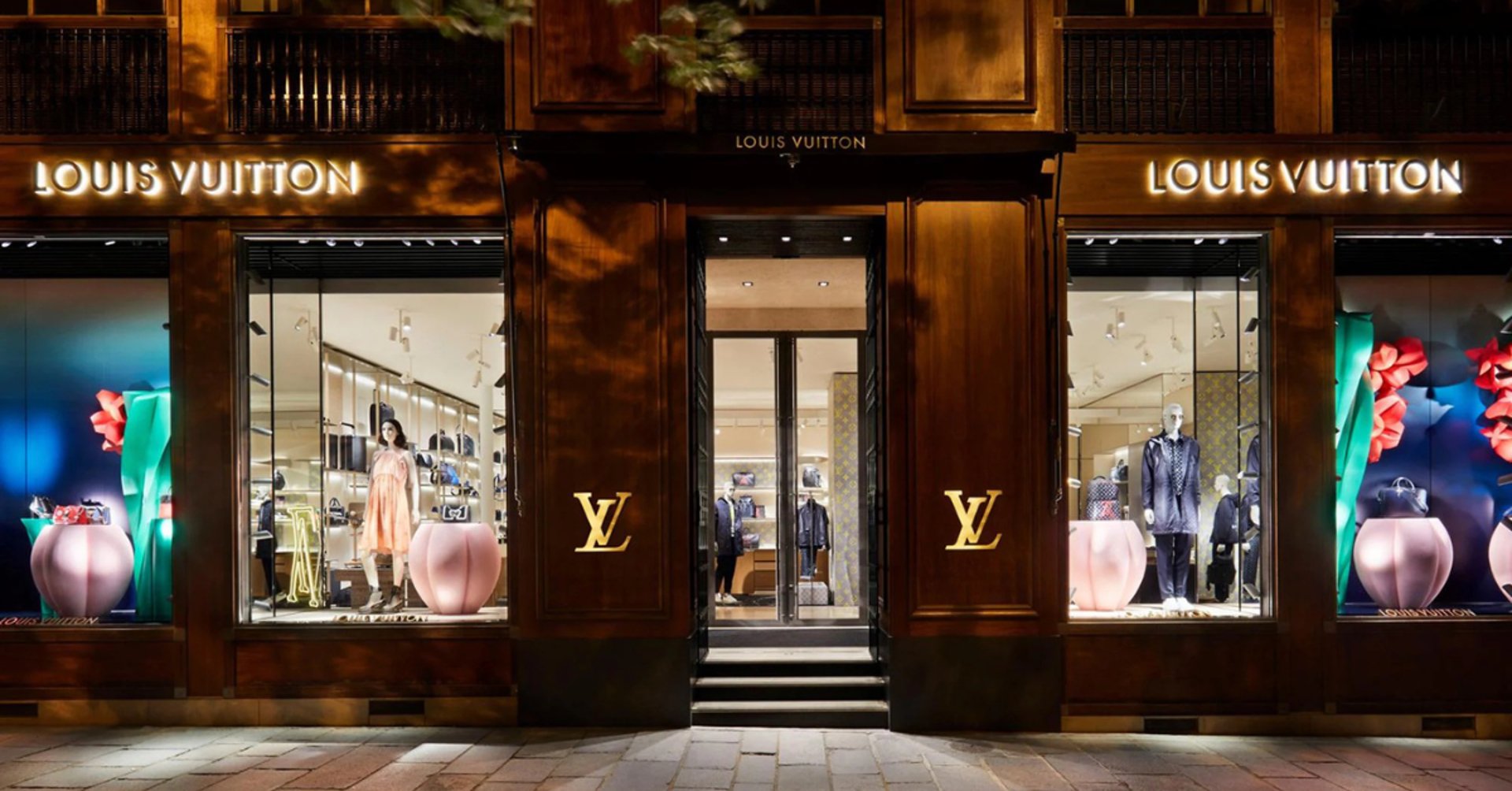
Behavioral economics + neuroscience perspective, LV is a master class in:
ego arousal
scarcity engineering
identity signalling
value distortion
hedonic reward loops
status psychology
This explains why, despite ultra-high prices, LV dominates the luxury segment.
Behavioral Economics Framework Used by LV
Louis Vuitton systematically leverages:
1. Scarcity Bias
People want what they cannot easily have.
2. Veblen Effect
Higher price raises desirability.
3. Social Signaling Theory
Consumers purchase symbols, not products.
4. Ego Alignment & Identity Theory
Purchases reflect who we want to be.
5. Loss Aversion
Missing out on a rare drop feels like a loss.
6. Status Quo Bias
Loyal customers stick with LV because it defines part of their identity.
7. Anchoring
Extremely high flagship prices make everything else "reasonable."
8. In-group/Out-group Psychology
LV creates tribes of belonging.
LV does not sell bags.
LV sells psychology, power, ego, and social elevation.
3. Core Strategy 1: Scarcity Engineering (Artificial Yet Powerful)
Louis Vuitton never puts products on sale.
They burn unsold stock instead of discounting it.
This is deliberate and based on scarcity psychology.
How LV uses scarcity to create value:
a. Limited production
Even when demand is gigantic, LV deliberately limits supply.
b. Drop culture
The number of copies available is limited.
Consumers experience FOMO, or Fear of Missing Out.
c. Waitlists
Being "approved" to buy a product creates perceived status.
d. Seasonal discontinuation
Once gone, it rarely returns-reinforcing loss aversion.
Behavioral Economics Insight
The brain attributes a higher value to something if it becomes scarce, even if its utility hasn't changed.
Neuroscience Insight
Scarcity triggers the dopamine-based desire circuit, elevating buying urgency.
4. Core Strategy 2: Ego Activation & Status Psychology
Louis Vuitton has mastered the psychology of ego.
How LV taps into ego:
a. Luxury = Social Status
A Louis Vuitton bag is a public signal of:
wealth
Success
taste
success
belonging to higher social circles
LV products are identity markers, not accessories.
b. “If it’s expensive, it must be special.”
The brain uses price as a shortcut for quality-price-quality heuristic.
c. The acquisition itself builds self-esteem
People buy LV not to carry things-but to feel:
complete
validated
elevated
Admired
appreciated
Neuroscience Insight
Luxury buying lights up the brain's reward centers, or ventral striatum, much like:
winning
praise
reaching a goal
In effect:
Buying LV is a neurological high.
5. Core Strategy 3: The Power of "Brand Mythology"
LV's brand story has been framed as:
heritage
craftsmanship
Parisian excellence
a symbol of elite culture
This story creates brand mythology, which triggers:
trust
desire
reverence
Emotional justification
When something feels legendary, the brain suspends pricing logic.
6. Core Strategy 4: The Exclusivity Environment (Store Psychology)
The LV stores are designed as temples of luxury.
Environmental cues:
marble floors
gold accents
spacious layouts
high ceilings
controlled lighting
velvet textures
scent branding
personal assistants
Psychological impact:
Slows down consumer’s decision-making, which increases the likelihood of making a purchase.
Creates a feeling of entering a special world
Improves self-esteem
Triggers reciprocity bias when staff treat customers like royalty
Neuroscience Insight
Luxury environments prime self-relevance networks and lead to the rationalization of even absurd prices.
7. Core Strategy 5: Price as a Feature, Not a Barrier
LV uses pricing to create desirability.
LV exploits the Veblen Effect:
As the price goes up, so does demand.
This is opposite to normal economics.
Why?
Because LV customers buy:
prestige
exclusivity
ego
identity
Demand would collapse if LV lowered prices.
The high price is the product.
8. Core Strategy 6: The “Tribe Effect”
-LV targets one particular tribe.
celebrities
influencers
wealthy professionals
urban elites
This creates in-group influence:
“I want to belong to the community that carries LV.”
Social Identity Theory
People get self-esteem from belonging to groups.
LV provides a prestige tribe.
This drastically increases price tolerance.
9. Core Strategy 7: Zero-Discount, Zero-Compromise Positioning
LV never participates in:
discounts
clearance
outlet stores
Why?
Discounting destroys:
exclusivity
ego value
perceived rarity
brand power
Maintaining pricing integrity signals:
"We are a brand that never goes down in value."
This reinforces status and ego attachment.
10. Why people willingly pay “deadly high prices”
1. They're not buying bags; they're buying self-worth.
An LV provides an external boost to identity.
2. Scarcity builds urgency and desirability.
FOMO increases buying intensity.
3. Ego desires social comparison advantages.
LV is a public luxury—meant to be seen.
4. The reward centers of the brain light up.
Shopping at LV feels like winning.
5. Price serves as a proof of status.
Expensive = prestigious.
6. LV provides value emotionally, not functionally.
It satisfies psychological needs.
acceptance
Aspiration
admiration
personal importance
7. Rituals and environment amplify the luxury illusion.
The in-store experience creates a powerful emotional imprint.
11. Final Conclusion
Louis Vuitton is not selling leather products.
Louis Vuitton is selling:
ego identity superiority exclusivity psychological reward scarcity emotional prestige Its pricing is astronomical because the brain rewards scarcity, status, and self-enhancement more strongly than it rewards rational economic value. People don't buy LV because they need luxury. They purchase LV because they want significance. This is the core of Louis Vuitton's unstoppable luxury empire.
Louis Vuitton is not selling leather products.
Louis Vuitton is selling:
ego
identity
superiority
exclusivity
psychological reward
scarcity
emotional prestige
Its astronomical pricing works because the brain rewards scarcity, status, and self-enhancement more strongly than rational economic value. People don’t buy LV because they need luxury.
They buy LV because they crave significance.
Contact
Reach out for insights or collaborations.
info@neuroresearch.in